DCR’s Climate Stewardship Incentive Program (C-SIP) is expanding in 2026 adding two new practices, Inoculate Trees at Risk of Pests and Temporary Barriers to Animal Browse.
To explain the new practices eligible for reimbursement, DCR Service Forestry will hold a C-SIP Expansion 2026 webinar on January 22nd at 3 pm ET.The webinar will provide a comprehensive overview of the rollout of the expanded Climate Stewardship Incentive Program (C-SIP). Participants will learn how the C-SIP Expansion builds on the existing C-SIP and Forests as Climate Solutions framework, with a focus on statewide program implementation.
The session will cover program goals, funding and timelines, eligible applicants and practices, and what is new or expanded at rollout.
Presenters will walk through the C-SIP Application and Practice Plan requirements, monitoring expectations, and reimbursement and compliance processes.
The webinar will also address common implementation challenges, coordination with partners, and real-world scenarios, followed by Q&A and next steps.
The Climate Stewardship Incentive Program provides cost-share funding for 5 major climate-informed forestry practices:
- Harvest Layout: Clearly flag or mark (with paint) skid roads; extent of landing locations; water control structures (i.e., water bars or other water diversion structures); locations for timber mats; soil protection measures.
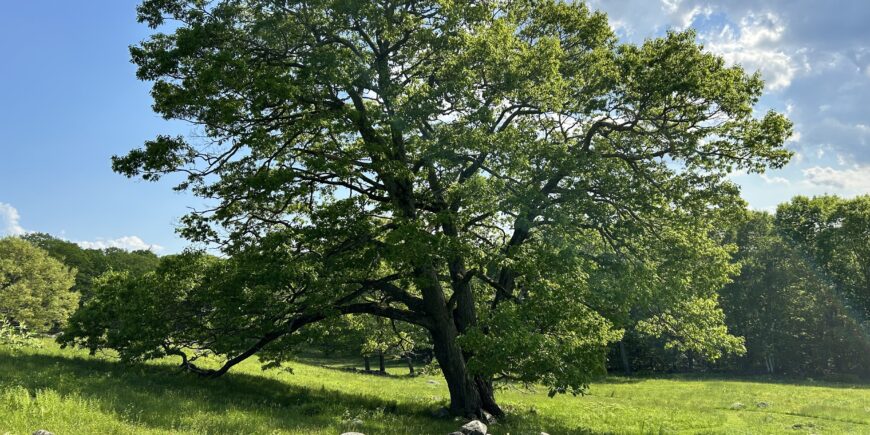
- Legacy Tree Retention: Biologically old and very large trees are uncommon in our landscape. Their preservation retains carbon, increases stand complexity, and provides refuge to plant and animal species that are slow to colonize new areas.
The strategic retention of these legacy trees during management activities, particularly when situated near existing downed wood, snags, and other site features, provides additional ecological advantages. - Tree Marking for Increasing Future Adapted Species and Structural Diversity: Marking allows specific trees to remain during a timber harvest to increase forest health, vigor, and regeneration. This practice is done in a way that supports increased structural diversity within the harvested stand.
- Invasive Plant Control: A changing climate allows invasive plant species to thrive and spread. Reducing their population increases the health, vigor, and diversity of desirable, native plant populations. This in turn increases the health and resilience of forests.
- Climate Smart BMPs: Forestry Best Management Practices (BMPs) dedicated to erosion control are proven techniques used to mitigate the impacts of timber harvests on water quality, site productivity, and soil health. The efficacy of BMPs is most pronounced when planned before, and implemented during, harvesting activities. Long-term effectiveness depends on monitoring, vigilant inspection, and adequate maintenance throughout the entirety of the timber harvest and at harvest closeout.
To take part in this webinar, register at Webinar Registration – Zoom